If you’ve ever wondered why some HR leaders seem like part-therapist, part-strategist, and part-problem-solver—you’re not imagining it. Human Resources today is no longer just about payroll or compliance. It’s about understanding people deeply, managing emotions, and influencing behavior. And that’s where psychology steps in.
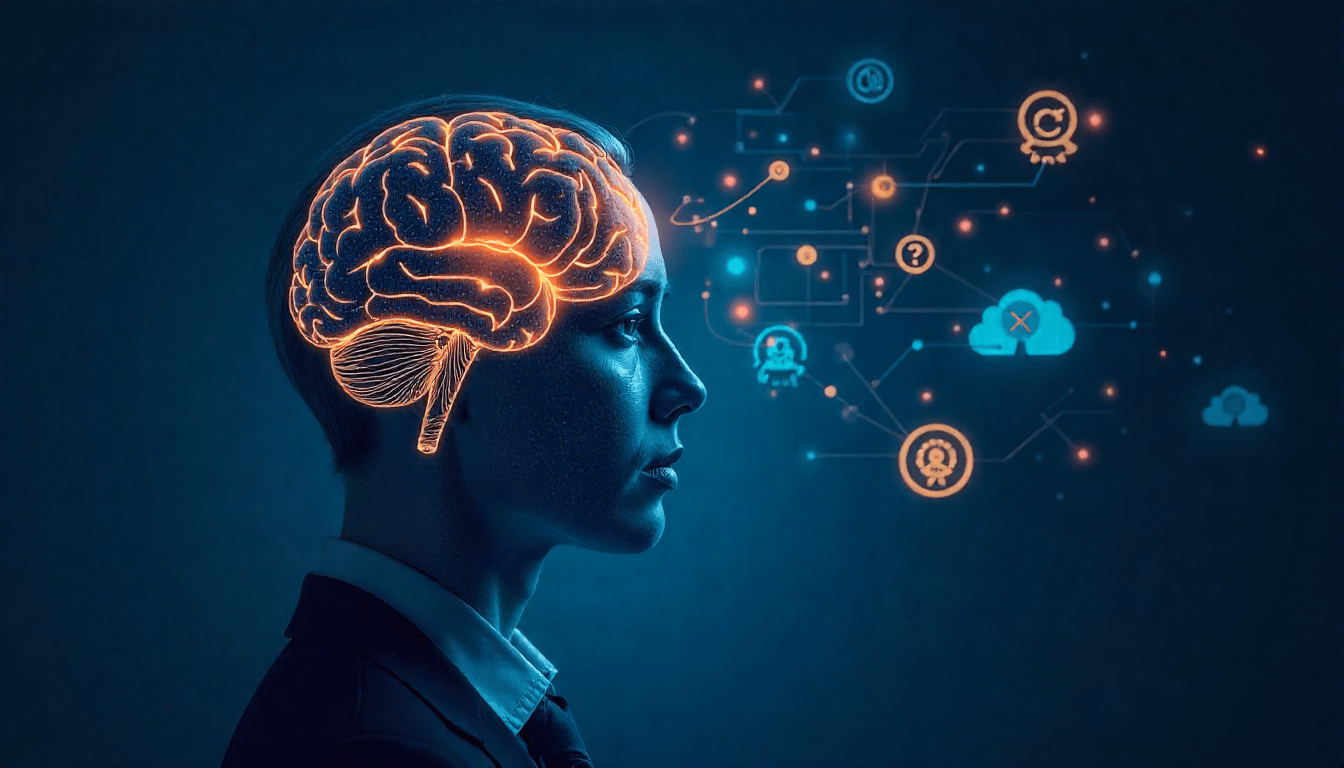
The future of HR is not just operational. It’s emotional, cognitive, and behavioral. The rise of psychology in HR is shaping a new generation of professionals who are as focused on people’s minds as they are on metrics.
Understanding People Is No Longer Optional
Each employee comes with their own motivation, stress triggers, communication preferences, and working styles. Individual solutions are no longer effective. HR specialists who comprehend not just what employees do but also why they do it are in high demand in today’s workplace.
That’s where HR leadership psychology becomes crucial.
- During hiring, psychology helps HR go beyond resumes and interviews to assess cultural fit, emotional resilience, and potential.
- In team dynamics, behavioral insight helps resolve conflict, foster collaboration, and build a positive environment.
- When managing burnout or disengagement, psychology equips HR to identify early warning signs and take empathetic action.
From performance reviews to leadership coaching, every interaction is enhanced when HR professionals have behavioral expertise.
Behavioral Expertise: The New Competitive Advantage
HR has become the emotional engine of the organization. Leaders who understand behavioral patterns, personality frameworks, and emotional intelligence are better equipped to handle:
- Employee engagement.
- Diversity and inclusion.
- Organizational change.
- Crisis communication.
Future HR leaders are expected to lead not just with rules, but with insight and empathy. They are change agents, morale boosters, and culture architects — all at once.
Behavioral expertise in HR helps professionals bridge the gap between strategy and people. It’s what allows them to design better workplaces, create meaningful employee experiences, and drive real transformation.
How an MBA Makes the Difference
For those serious about stepping into leadership roles, technical knowledge alone won’t cut it. The ability to think psychologically, act strategically, and lead empathetically is key.
That’s where a well-rounded MBA in HRM and psychology can be a game-changer. It blends management skills with behavioral science, helping you understand both business outcomes and human dynamics.
- Such a program builds your ability to:
- Navigate tough workplace conversations.
- Design people-first policies.
- Interpret data with a psychological lens.
- Drive change with minimal resistance.
It’s ideal for those who want to lead not just with logic, but with emotional insight.
The Human Touch Will Define the Future of HR
As technology and AI automate more tasks, what remains deeply human is understanding, connection, and trust. And those are built through psychological insight, not spreadsheets.
The HR leader of tomorrow isn’t just a policy enforcer — they are a behavioral expert who knows how to listen, influence, and empower. They establish work environments where employees flourish rather than merely get by.
If you’re intrigued about people, enthusiastic about culture, and eager to make a genuine difference, this may be your route. Building a foundation in psychology in HR might just be the best career investment you make.
Take a moment to reflect — are you leading with insight? Or are you just managing people on paper? The next step in your HR journey might not be a promotion — it might be perspective.